
Denton is more than just a college town now. It has evolved as a vibrant and rapidly growing city and has slowly become a diverse hub for culture and education.
However, the market is slowly transitioning from a hyper mode to a more stabilized state. Buyers are expected to see a traditional pace of sales. There will be fewer bidding wars and greater room to negotiate. The mortgage rates may also remain stable.
The success of sellers may mostly depend on their realistic pricing strategy and buyers can get the best deal with a bit of negotiation, which is what happens in a stable market; it doesn't skew towards one party.
Read to find what more trends real estate companies in Denton TX predict.
In the last five years, from 2020 onward, Denton experienced a high level of migration. This was followed by a low supply of houses.
After the 2020 lockdowns, Denton experienced a surge in its population. It grew to almost 178,433 in 2026.
Denton’s population increased by 26.43% from 141,128 in 2020 and is currently growing at a rate of 3.61% annually to 178,400 in 2026.
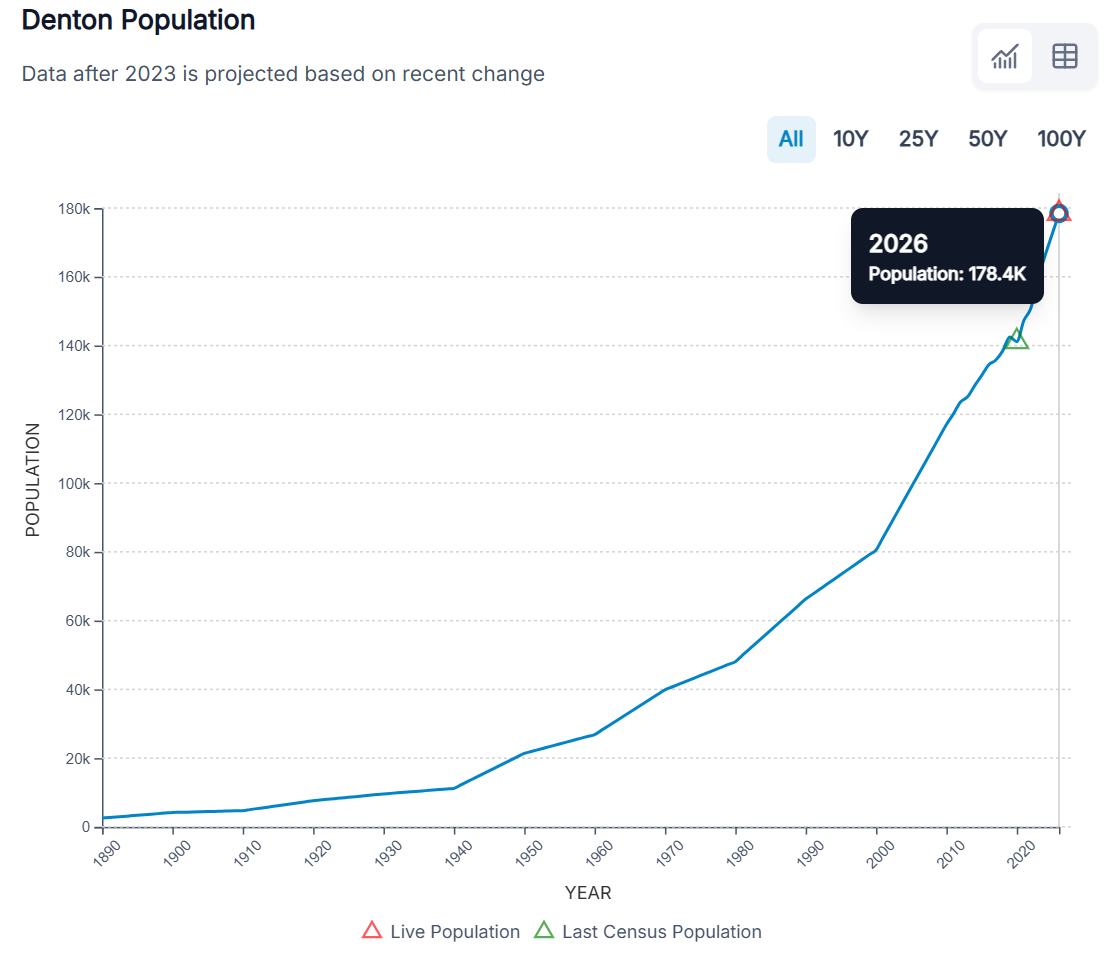
From 2020 to 2024, the high demand for accommodation in Denton met a low supply of homes. This resulted in a bidding war culture.
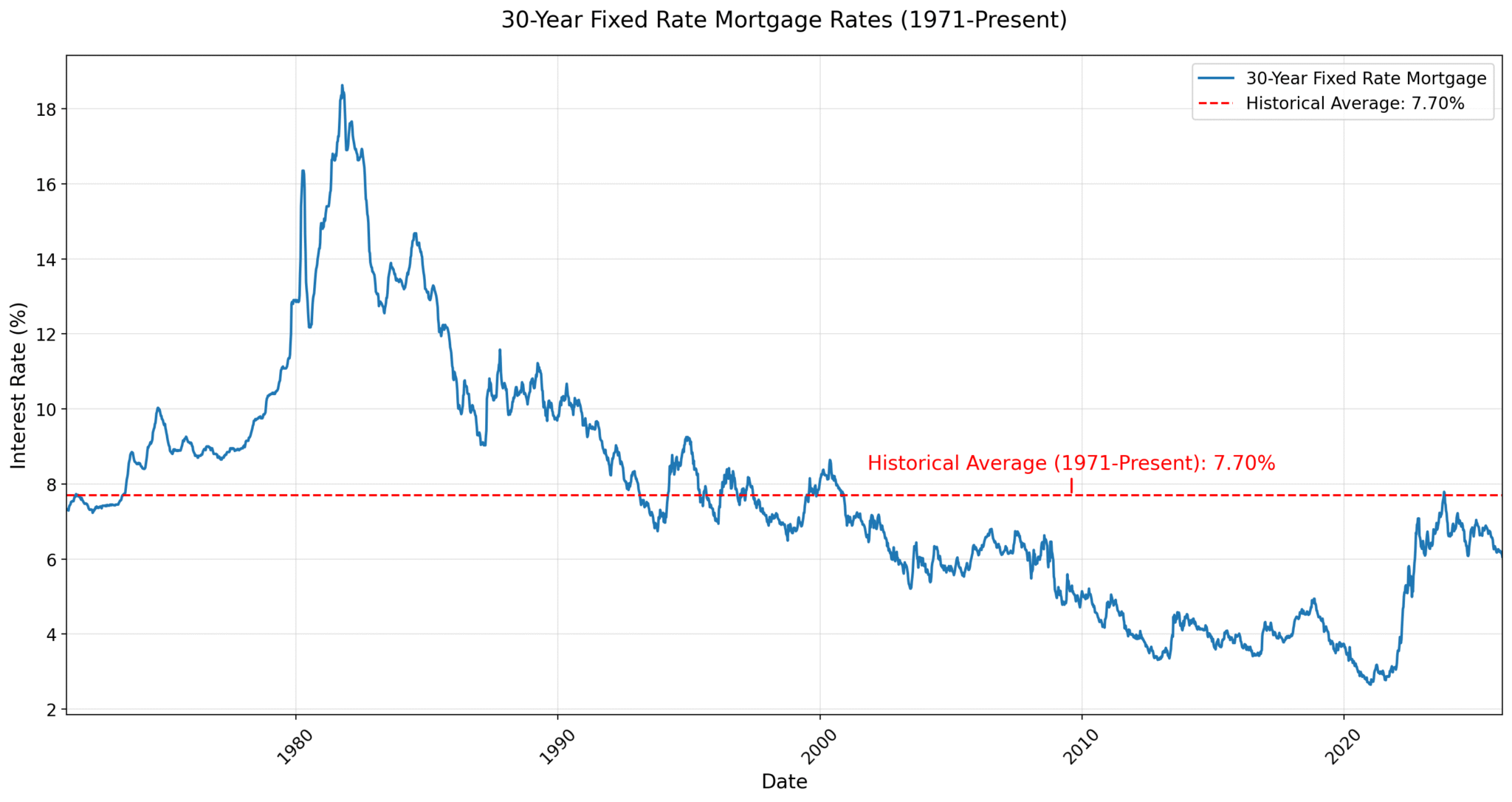
During all of this, the fixed mortgage rate climbed from roughly 3% to over 7%.
It was impossible for many to buy a house. Therefore, the idea of Build-to-Rent" (BTR) filled the gap. Entire neighborhoods in suburban Denton were constructed specifically for renters.
Currently, the cost of living in Denton, TX is 4% lower than the national average.
Besides, as per realtors in Denton TX, housing in Denton, TX costs 11% less than the national average.
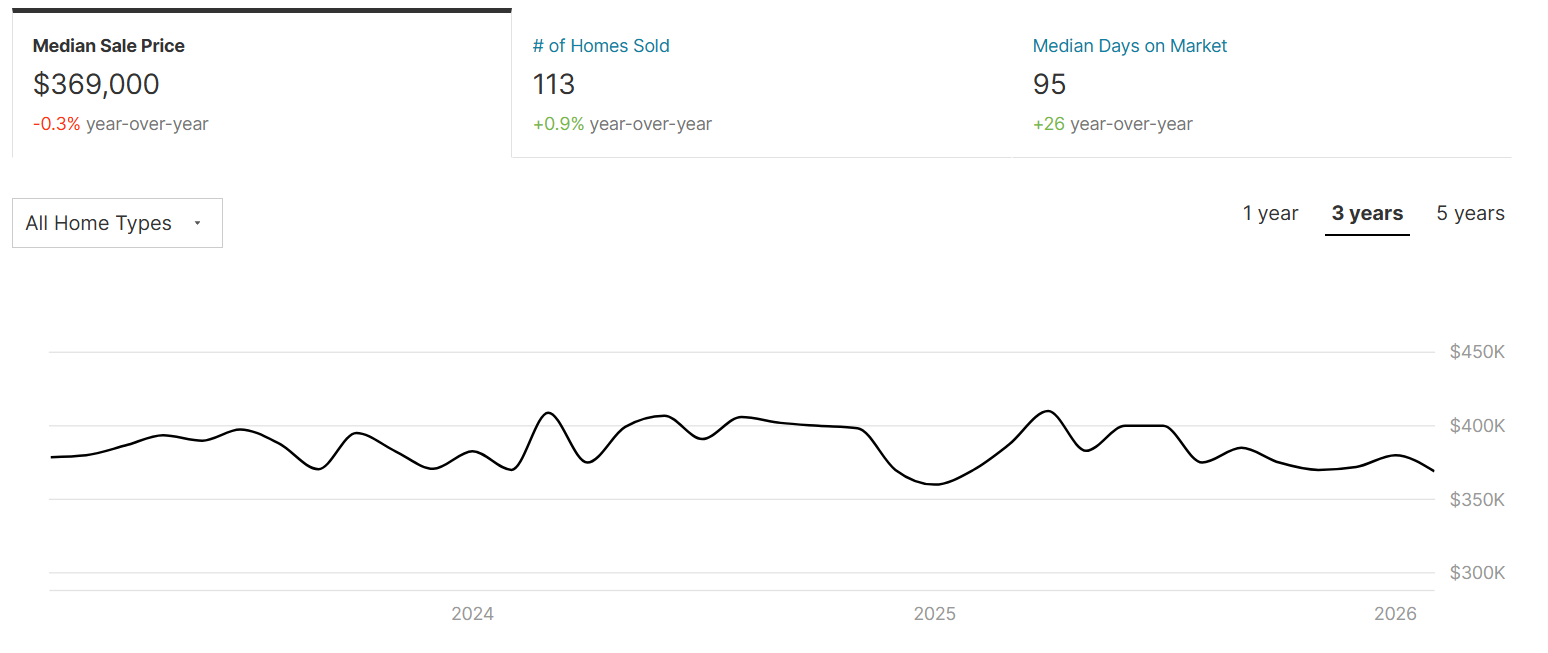
As per the latest data available, in January 2026, Denton home prices were up 5.6% compared to last year, selling for a median price of $380K. On average, homes in Denton sell after 90 days on the market compared to 69 days last year. There were 91 homes sold in January this year, up from 80 last year.
Although the mortgage rate has leveled up to 6.21%, this is considered the new normal. Buyers are adapting to these rates and are no longer waiting for the rate to drop to 3%.
What’s more, the global supply chain volatility and ongoing wars have kept construction material costs high. This prevents a "price crash". That’s because builders cannot afford to sell new homes for significantly less than their construction costs.
The next five years in Denton will be all about maturation. There will be a noticeable rebalance of power between buyers and sellers.
Buyers will get more room to negotiate as inventory is predicted to rise slowly.
Similarly, it is expected to see more townhouses make a comeback. These houses are affordable for young professionals and are also easy to live in.
Denton, in the next five years, will see heavy investment and construction to meet the rising population. Property values in some areas will also outperform.
What's more, Denton may become the future hub for regional corporate headquarters. This will increase higher-paying white-collar jobs. This will support the housing market even if rates remain elevated.
Realtors in Denton tx have become strategic risk managers now.
Real estate companies in Denton TX, now offer data-driven guidance for buyers and investors so they can make the right choices. Experts in the industry help in navigating low vacancy rates and managing property.
The right real estate experts help buyers benefit from increased and more affordable inventory. As the market softens, they want the interested buyers to explore better options while paying less.
There are many reputable real estate firms now that offer technology-driven management and free asset evaluations. This data helps investors manage high-demand rentals. Besides, it also makes it easy to make housing decisions based on your choices and funds. Services also provide insights into price trends.
They also prepare reports on property characteristics to ensure smart and informed decision-making on home purchases or investments.
90% of properties are at risk of wildfire over the next 30 years.
Considering the risks, realtors work closely with insurance companies to curate negotiations on your behalf.
For instance, a realtor might negotiate for a Class 4 Impact-Resistant Roof as a condition of sale. This is a common upgrade. This could be used as a prime condition of the sale to keep your insurance costs manageable.
Homes in 2026 in Denton County sell after 90 days on the market, compared to 69 days last year. To prevent your home from becoming stale, local realtors now provide advanced 3D virtual tours and AI-driven staging for better viewing.
Besides, some agents are also using remote-access technology that allows vetted buyers to view homes. There are some on-demand showing applications that provide a one-time code after a digital identity check. This code helps view the homes in detail.
This move allows the agent to comply with the law. Plus, it also gives them an opportunity to give buyers instant access to their possible homes.
Most professional Denton realtors are now offering a 1.5% to 3% "Rate Buydown Credit" to the buyer.
This cut often costs the seller less than a price drop. However, it makes the home more affordable for a buyer with an affordability issue.
Many sellers in Denton are now organizing weekend-long open house events. These events help capture the attention of many buyers, which increases the chances of sales manifold.
The housing market in Denton may not remain the same. However, the trends show that the stable future of Denton and its housing industry is quite promising for young buyers aiming to buy their first homes.
If you are among them, get in touch with our realtors at AY Realty today. From guiding you on everything about the housing market to helping you make an informed decision, we will ensure to help you make a profitable investment.
The market has transitioned to a balanced state with inventory rising over 20%, meaning buyers have more choices and the average home now takes roughly 60 to 90 days to go under contract.
Homeowners are increasingly forced to offer "sweeteners" like closing cost assistance or repair credits to compete with the aggressive price cuts and interest rate buydowns offered by large-scale builders.
Price growth has largely flattened or entered a slight correction phase, with recent data showing median sale prices stabilizing or dipping slightly as the market recalibrates to higher interest rates.
Bidding wars have become rare and most properties are now selling at or below asking price, allowing buyers to successfully include standard protections like inspection and appraisal contingencies.